
Weight Loss Strength Retention
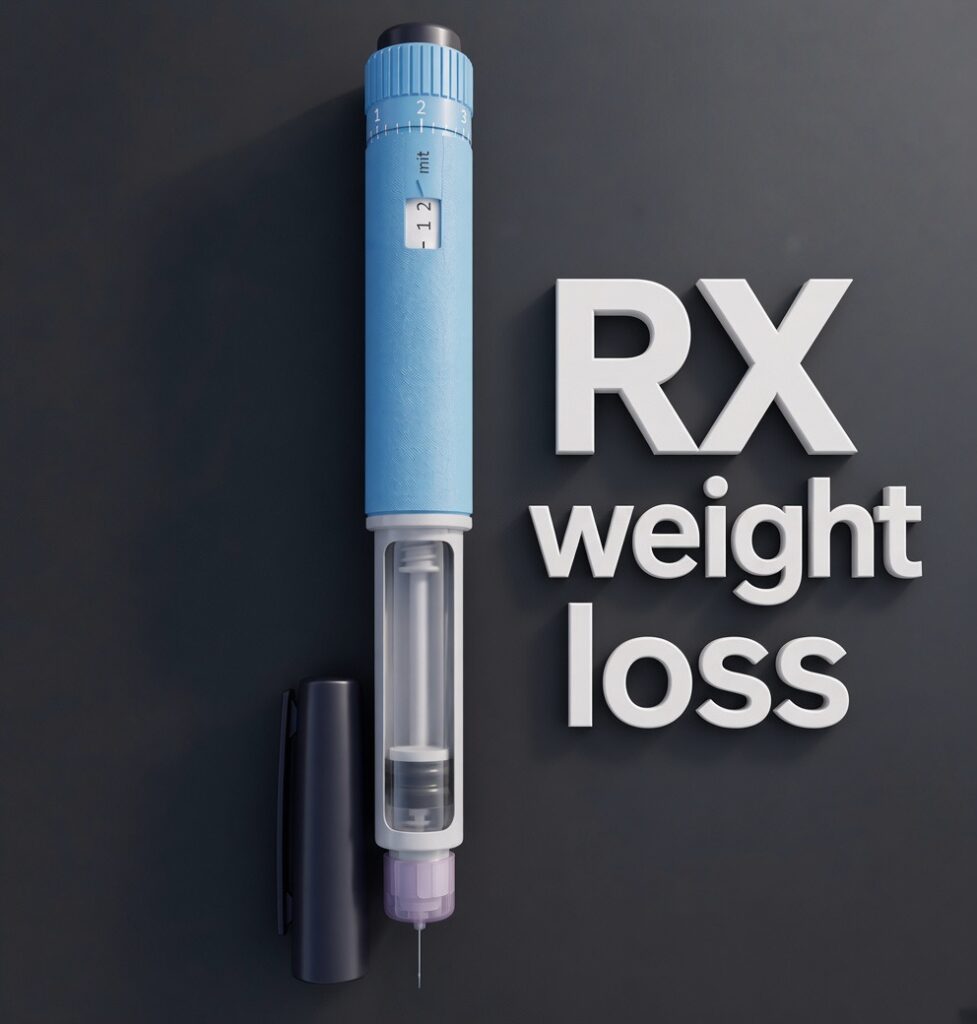
THE BEST MUSCLE RETENTION PROGRAM FOR WEIGHT LOSS PATIENTS IN YORK
If you’re in York, Pennsylvania, and taking a Prescription weight loss medications, here’s what you need to know. Adults over 40 are the fastest growing group of these new weight loss drugs. And for good reason. These medications work for weight loss in a way that decades of dieting never did. Explore our training programs to better understand how resistance training protects muscle and bone density during rapid weight loss. If you are a physician prescribed weight loss patient our program provides the guidance and accountability needed for success.
The short version: Medical weight loss patients face a unique combination of weight loss and muscle loss, which can compound age-related muscle decline. Metabolic changes can make maintaining weight loss more challenging. The right exercise program addresses all of it. The wrong one—or no program at all—can make the challenges even harder.
Why Resistance Training Matters More Than Cardio
The research from every major health organization converges on the same prescription. Here’s what it looks like in practice for people on Prescription weight loss medications.
Progressive Resistance Training
Train 2–3 times per week using strength exercises like squats, deadlifts, rows, presses, and lunges. These compound movements build muscle, strengthen bones, and help preserve lean body mass during weight loss.
Balance and stability work.
Weakened muscles equal a higher fall risk. Single- leg exercises, lateral movements, and stability challenges should be woven into every session.
Flexibility and mobility work.
Joint stiffness is common in adults carrying excess weight, while fatigue during medical weight loss can make movement more challenging. Stretch therapy helps you move well, improve mobility, and train effectively.

What the Wrong Program Looks Like
Walking three times a week. Group yoga. Light dumbbell classes with 3-pound weights. Water aerobics. These are all fine activities. None of them provide enough mechanical load to preserve bone density or build meaningful muscle.
The science is clear on this. Cardio and light movement do not counteract muscle loss. Progressive resistance training does. If you’re spending an hour a day on the treadmill but never picking up anything heavier than your water bottle, your exercise program isn’t doing anything to prevent muscle loss.

Medical Weight Loss Fitness in York, Pennsylvania: What the Right Program Looks Like
York, Pennsylvania has a large and active community of adults pursuing medical weight loss who are looking for guidance beyond what their prescribing doctor may have time to provide. At our studio, we specialize in exactly this. Every coach on our team understands how to design a program focused on strength retention for medical weight loss patients, helping you preserve lean muscle and maintain strength throughout your weight loss journey.
Our Muscle and Strength Retention Program covers the science behind strength training in detail. The takeaway is simple: weight-bearing and resistance exercise are among the most effective tools you have for protecting bone health and preserving strength during medical weight loss.
If you are a patient on a prescription weight loss medication, our program provides the guidance and accountability needed for success.
Supervised Training Matters More on Prescription weight loss
Prescription weight loss medications cause nausea, fatigue, and reduced appetite, especially during dose increases. Training through those side effects without guidance is how people get hurt or give up. A coach who understands these medications knows to start with lower intensity, progress gradually, prioritize compound movements that maximize stimulus in shorter sessions, and adjust on days when the side effects are hitting hard.